Tank Work
Tanks for Expansion, Wells and Storage
Youngsville Plumber works on the tanks behind steady household water: thermal expansion tanks beside water heaters, pressure tanks on private wells, and storage tanks for backup or rainwater. A tank on its way out announces itself with pressure that surges or sags, a well pump that cycles too often, a relief valve that drips, or damp fittings, and all of it worsens with time.
The tank has to be sized to the system, charged to the correct air pressure and fitted with proper valves so it shields pipes, fixtures and equipment. A burst expansion tank, a waterlogged well tank or a storage tank awaiting hookup all call for a plumber in Youngsville, LA, and outdoor tanks and fittings also face about 11 nights a year at or below 32 F, going by NOAA normals for Lafayette.
Services
Tank Work We Take On
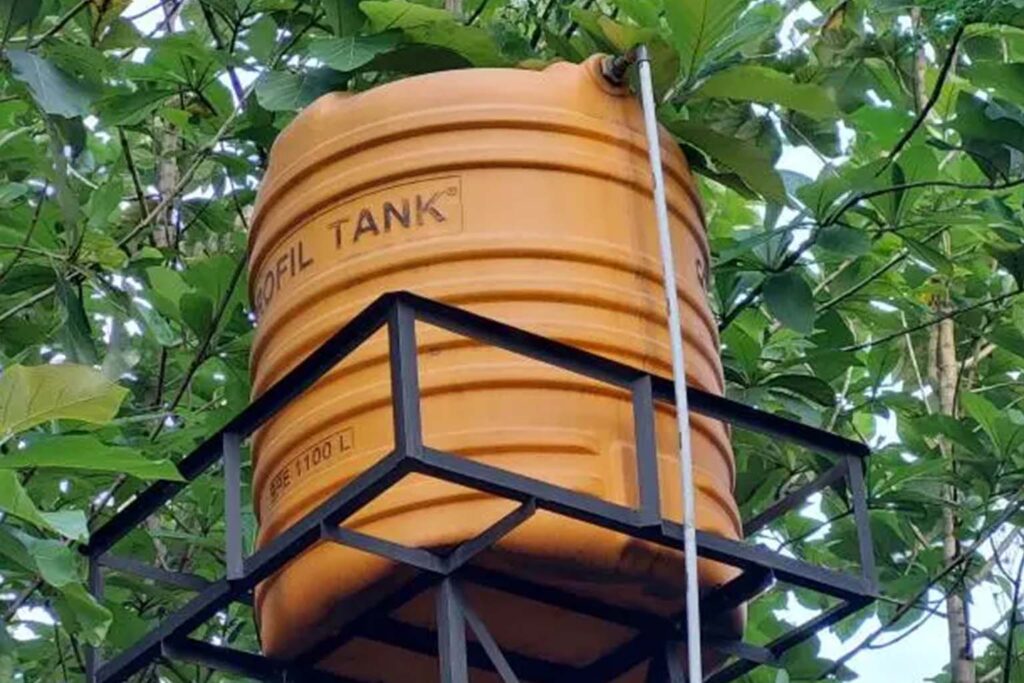
Putting In a New Tank
Expansion, well pressure and storage tanks get installed, each sized to the water heater, pump or household demand it serves.
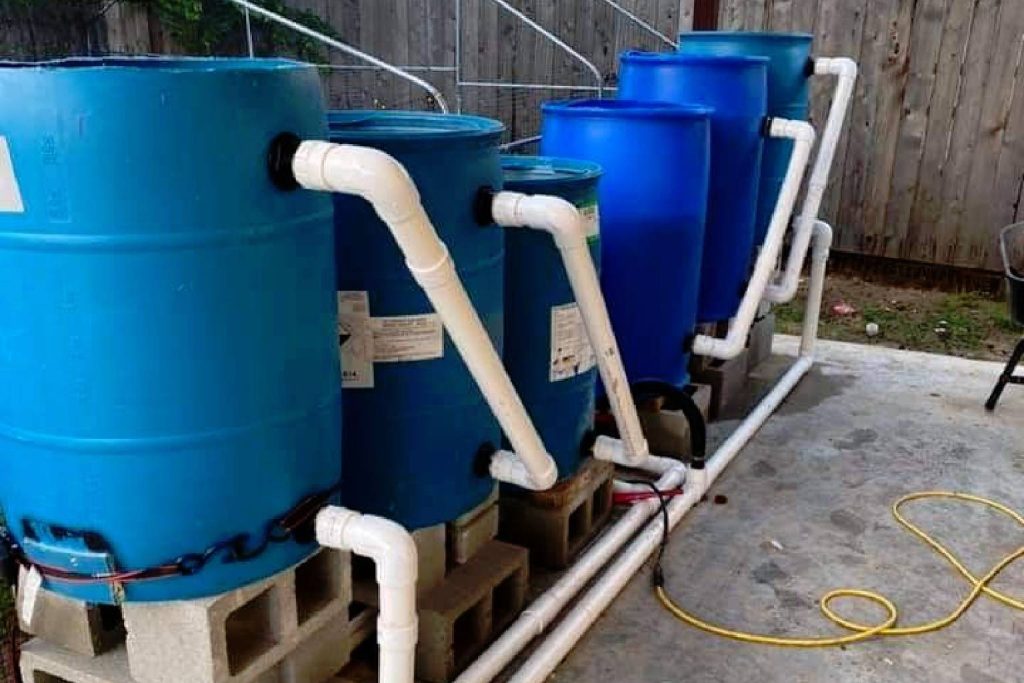
Replacing a Worn Tank
A tank that has rusted, leaked, waterlogged or proved too small gets swapped for one matched to the system.
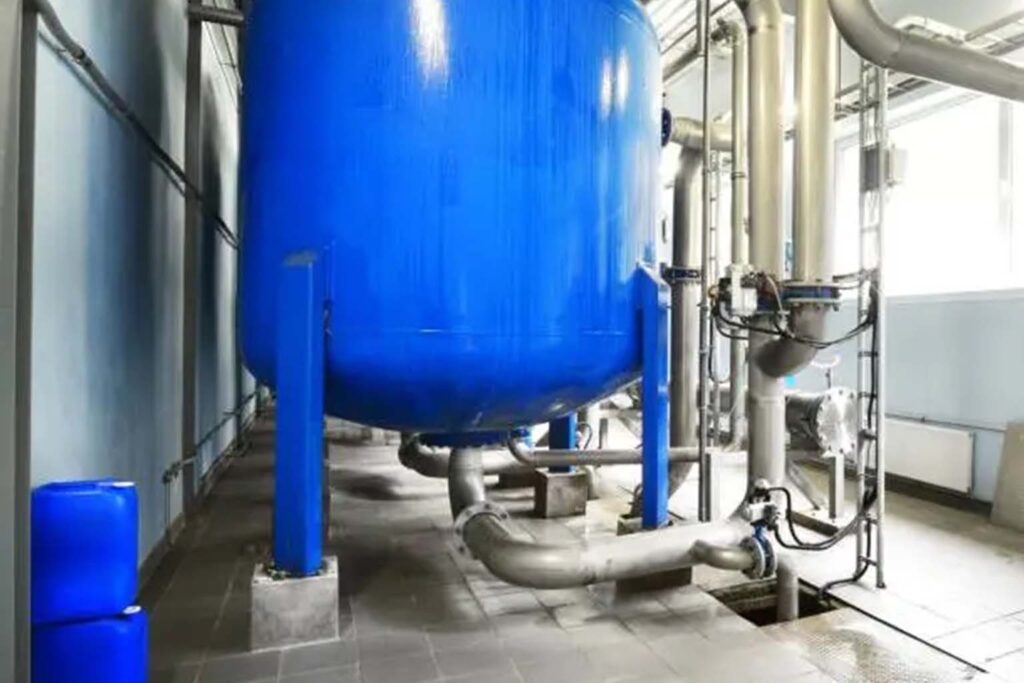
Expansion Tank Care
Verifying and setting the air charge, swapping a dead tank and curing the relief valve that drips each time the heater fires up.
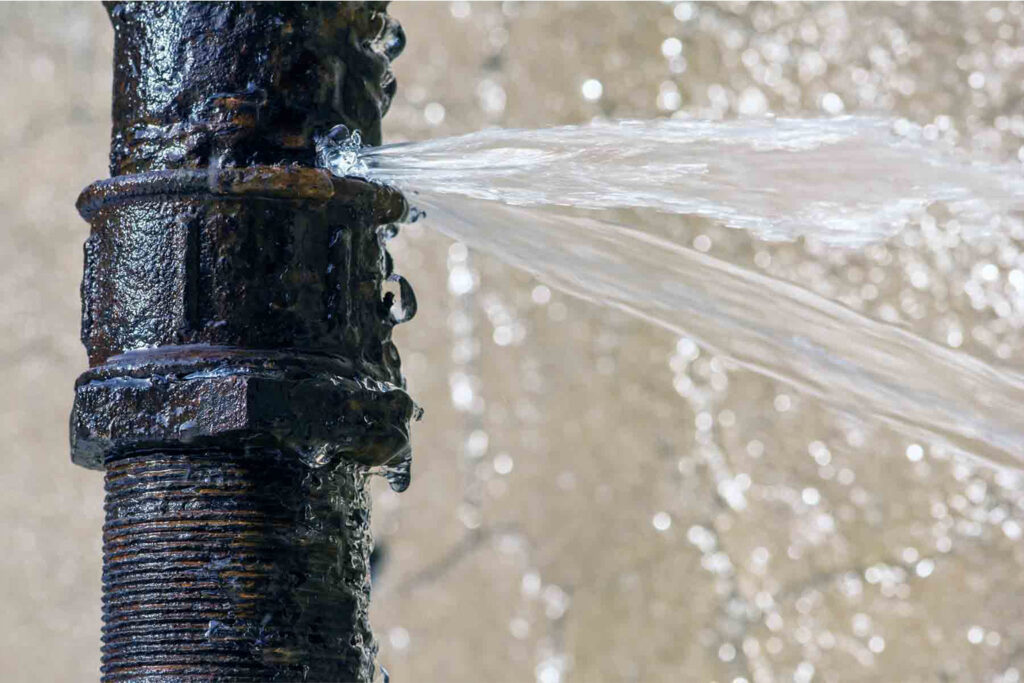
Stopping Drips
Weeping tank bodies, inlet and outlet connections, fittings and valves are repaired before floors or walls take damage.
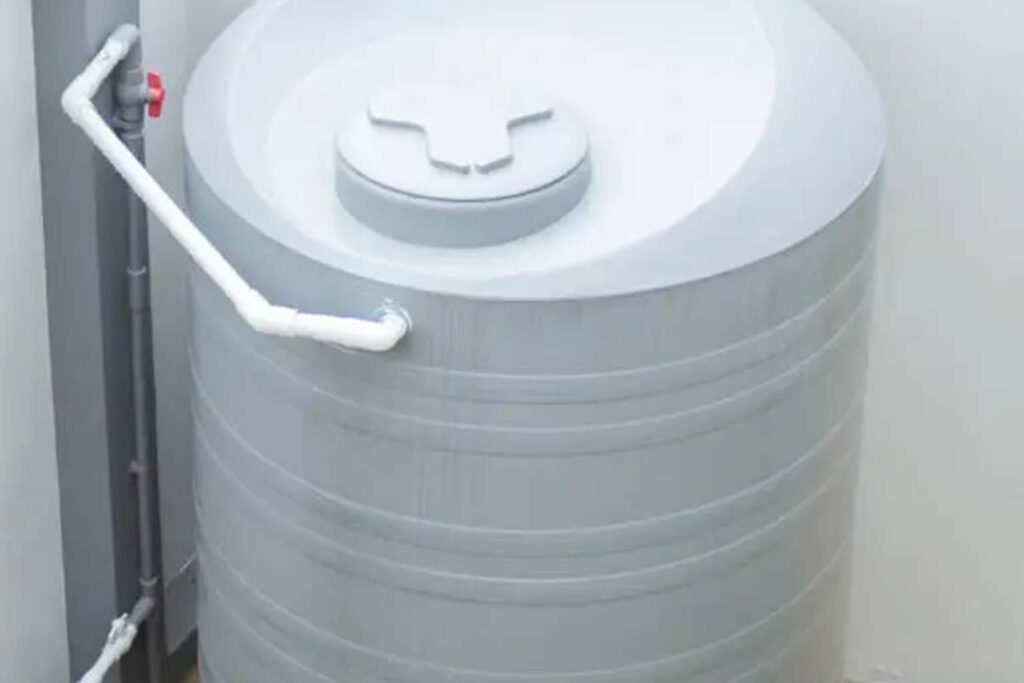
Fixing Well Pressure Tanks
Waterlogged bladders, wrong pressure-switch settings and pumps that short-cycle all shorten the life of well equipment.
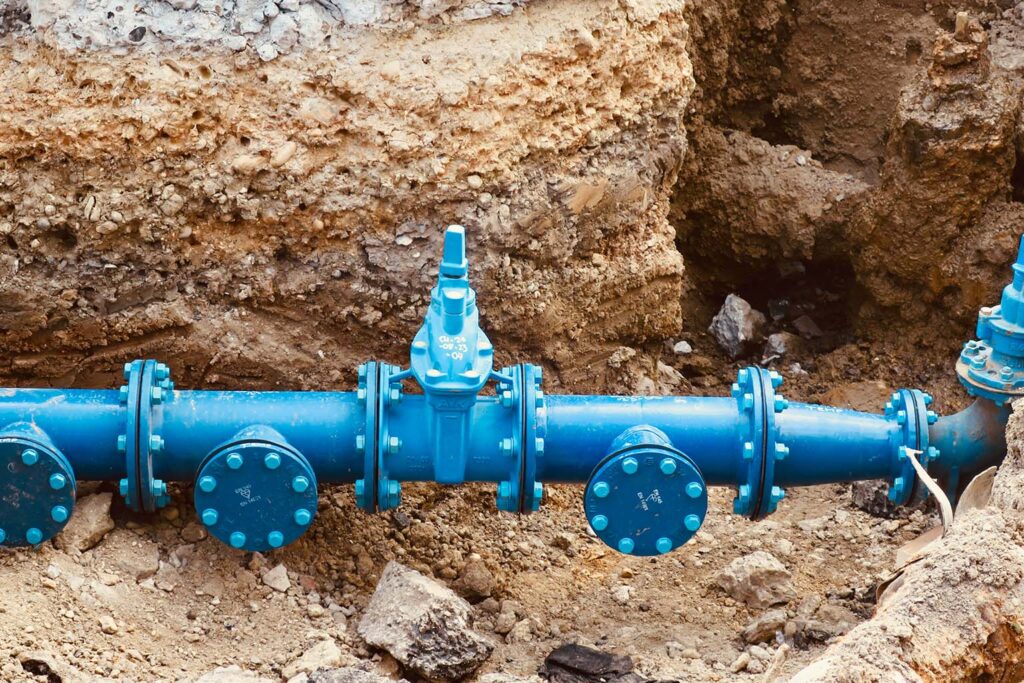
Updating Pipes and Valves
Corroded or worn piping, shut-off valves, gauges and supports around the tank can be swapped out.
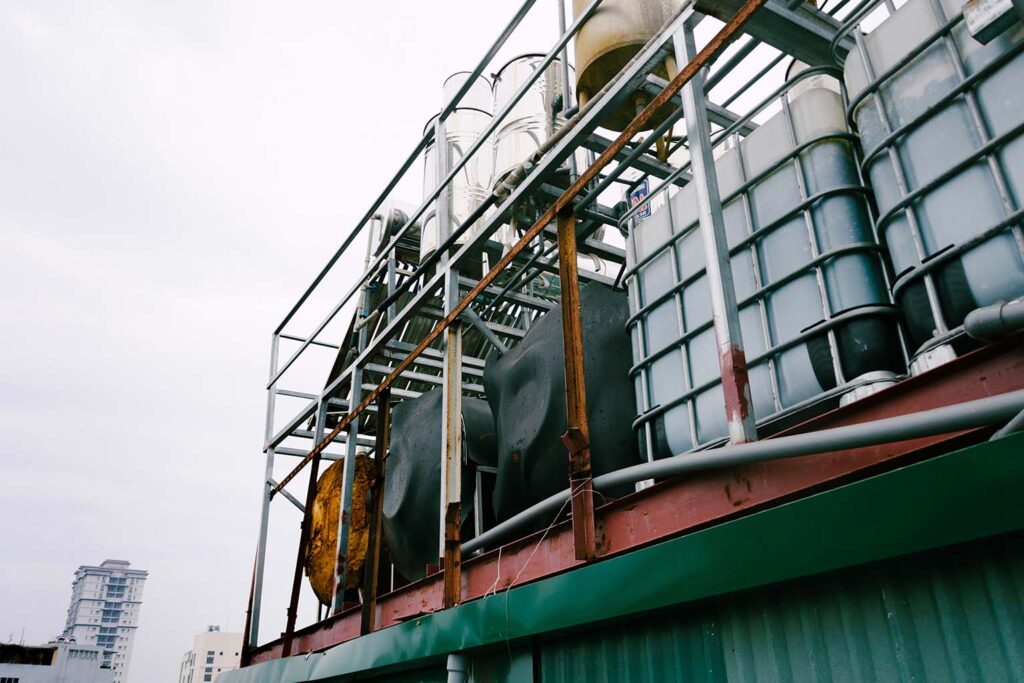
Hooking Up Storage Tanks
Backup and rainwater tanks tie into household plumbing along with the pumps, filters and backflow protection they require.
What to Expect
Why Call Youngsville Plumber About a Water Tank?

Careful Setup
Ask for the installer’s Louisiana plumbing license number and look it up with the State Plumbing Board of Louisiana before work starts.

Local Focus
Working in and around Youngsville, LA keeps follow-up visits easy to arrange when something needs a second look.

Lasting Repairs
Whether it is a dead expansion tank or a full well tank swap, the repair should cure the cause.

Sizing Guidance
Picking the tank size and style for the heater, well or storage need is part of the conversation.

Tidy Job Sites
Ask that floors be covered and the work area cleaned up, so the room is left as it was found.
Tank trouble is easiest to solve once a plumber has looked at the pressure, fittings and pump.
Trouble
Tank Troubles That Come Up Often
- Seeping tank or connections
- Relief valve that drips or spits
- Pressure swinging up and down
- Well pump that cycles constantly
- Tank shells showing rust
- Pressure tank full of water
- Hammering in the pipes
- Expansion tank too small or dead
- Pressure that will not hold
When a tank starts causing trouble at home, the first step is tracing the actual cause.
Neighborhoods Covered
Where Tank Service Reaches Around Youngsville, LA
Tank work is available around these areas:
Tank Questions Answered
Tank Q&A
What is an expansion tank for?
Heating water makes it expand, and in a closed system that extra volume of water has nowhere to go, so pressure climbs on the pipes, valves and the heater itself. The tank’s cushion of air soaks up that growth, which holds pressure steady and keeps the relief valve from weeping every time the heater runs.
What shows that an expansion tank has failed?
Knock on it. A healthy tank rings hollow near the top, while a waterlogged one sounds solid from top to bottom. A dripping relief valve, pressure that spikes whenever the heater runs, or water at the tank’s air valve also give it away.
Which signs show a well pressure tank is failing?
Short cycling is the usual giveaway: the pump kicks on and off every few seconds with a tap running. Pulsing pressure at the faucet, a gauge needle that rises and falls fast, or rust and moisture on the tank body are other clues.
Why does the relief valve on my heater keep dripping?
A temperature and pressure relief valve that drips often signals pressure building each time the heater runs, which a dead or missing expansion tank allows. A worn valve can drip as well. Either way, get it looked at, because that valve is a safety device.
How many years will a pressure tank run?
Service life follows water quality, pressure settings and how often the pump cycles. Checking the air charge during routine upkeep and fixing short cycling early do the most to extend the life of a tank.
Is replacing a tank a DIY job?
It means draining the system, matching the air charge to line pressure and making watertight joints. Plumbing rules have sat inside the Louisiana State Uniform Construction Code from 2016 onward, enforced locally, so ask what your permit requires.
How do I choose an expansion tank size?
Heater capacity and house water pressure drive the choice, and a plumber checks both before matching a tank. One that is too small will not hold pressure back, and one that is too large adds cost for no benefit at all.
Should my water heater have an expansion tank?
Homes with a closed system, such as a check valve or pressure-reducing valve on the main, usually need one. Inside the city, plan review comes before any plumbing permit; confirm the rule with the Louisiana Uniform Construction Code Commission.
What makes a well pump switch on and off nonstop?
Fast cycling usually means the pressure tank has lost its air charge or the bladder has failed, so it cannot hold water under pressure. A faulty pressure switch can do it too, and the pump wears out sooner if it goes unaddressed.
Which tank style suits a house best?
That depends on the job. Expansion tanks protect heaters in closed systems, bladder-style pressure tanks fit private wells and polyethylene tanks are the usual pick for storage above ground. The right style gets chosen once the tank’s use is known.
What affects the price of tank replacement?
Tank type and size, how easy the tank is to reach, and whether pipes or valves need replacing at the same time all move the price. Ask for the price of the whole job in writing before work starts.
Is a concrete base needed under a storage tank?
Not always, but the base must be firm and level. Concrete suits large tanks and soft ground, while compacted gravel or a rated platform can do for smaller ones. Uneven support strains a tank and can eventually crack it.