Knowing how to tell if your home needs repiping starts with looking for several plumbing problems at once. Rusty water, weak pressure, repeat leaks, loud pipes, and visible corrosion can point to worn supply lines. A plumber can check the system and explain whether you need broad replacement or one small repair.
Table of Contents
- What Does Repiping a Home Involve?
- What Are the First Warning Signs Your Home Needs Repiping?
- Which Water and Plumbing Problems Suggest Widespread Pipe Failure?
- What Other Signs Indicate It May Be Time to Replace Your Pipes?
- How Do You Know Whether You Need Repiping or a Localised Repair?
- What Should a Plumber Check Before Recommending Repiping?
- What Should You Do If Your Home Shows Signs of Repiping?
- Frequently Asked Questions
- Conclusion and Key Takeaways
What Does Repiping a Home Involve?
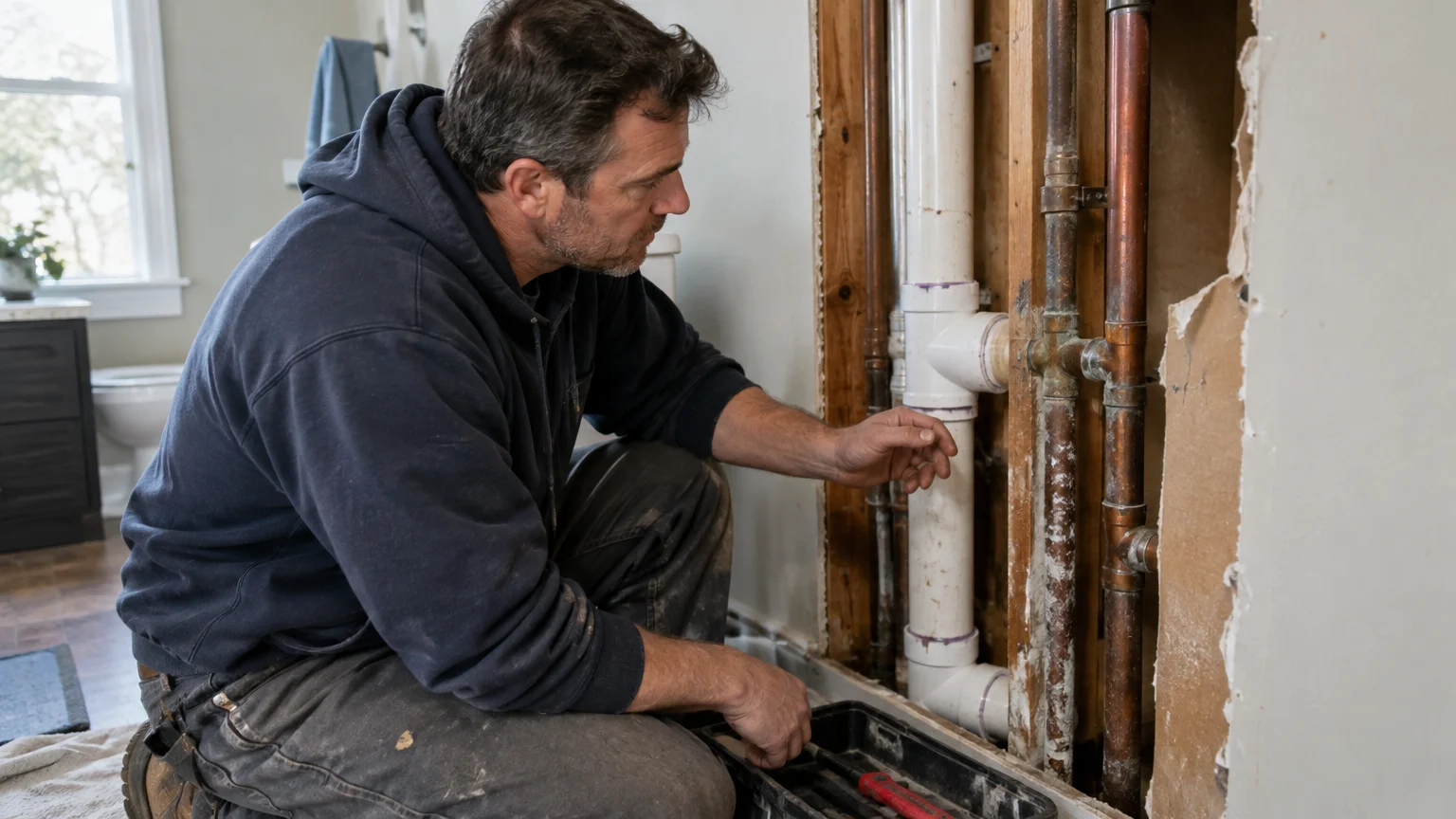
Repiping means replacing many or all water supply pipes in a home or building. It is not the same as fixing one leaking pipe under a sink. A whole-home project works on the network that carries hot and cold water to each fixture.
The work may include opening small access points, removing old lines, fitting new pipe, and reconnecting fixtures. The plan depends on the layout, pipe location, access, and condition of the current system. Your plumber should explain which areas need work before the project starts.
How whole-home repiping differs from isolated pipe repairs
An isolated repair treats one damaged spot. It may be the right choice when one fitting, valve, or short pipe section fails. Local repair also makes sense when the rest of the system works well and shows no broad wear.
Repiping is more likely when leaks keep coming back in different rooms. It may also be needed when several branches have rust, weak flow, or damaged joints. Youngsville Plumber helps property owners understand if the trouble is local or spread across the system.
Which plumbing materials are commonly used for replacement pipes?
Common replacement materials include copper, PEX, and CPVC. PEX is flexible and may need fewer joints in some layouts. Copper is strong and widely used. CPVC is a stiff plastic option for some water systems.
Each material has rules and limits. A qualified plumber should match the pipe to local rules, water conditions, heat, and the home design. The new lines should also be protected from freezing, movement, heat, and accidental damage.
What Are the First Warning Signs Your Home Needs Repiping?
The first signs often affect water quality and flow. Rusty water, odd smells, or weak pressure at several fixtures can point to aging supply pipes. One odd faucet may have a simple fault, but a whole-home pattern needs a closer look.
The pattern may begin with brown water after a faucet sits unused. Later, a faucet upstairs may have weak flow. When another fixture shows the same problem, the group of signs matters more than one symptom.
1. Discoloured, rusty, or foul-smelling water
Brown, orange, or yellow water may come from rust inside old pipes. It can also appear after nearby plumbing work or a water-main problem. Water with a metal, earthy, or rotten-egg smell needs attention because the source may be hidden.
Run cold water for a short time and see if one fixture or many fixtures are affected. Do not drink water that looks or smells strange until the cause is known. If the issue returns across the home, a plumber should check the supply lines and related parts.
2. Persistent low water pressure throughout the home
Low pressure at one fixture may come from a dirty aerator, bad cartridge, or local valve. Low pressure at many fixtures points to a wider concern. Rust, mineral buildup, a failing pressure regulator, or a damaged main line can reduce flow.
You can clean a faucet aerator and check that shutoff valves are open. This simple check cannot find damage inside a wall. If pressure stays weak in Youngsville, a professional check can separate a system fault from a fixture fault.
Which Water and Plumbing Problems Suggest Widespread Pipe Failure?
Repeat failures give stronger evidence than one leak. When several pipes, joints, or fixtures cause trouble over time, the system may be near the end of its useful life. Water can also move behind walls, under floors, and inside cabinets before damage is easy to see.
The signs below may happen alone. They are more serious when they occur together. Leak detection can help find hidden moisture before it leads to mold, damaged finishes, or weak building materials.
3. Frequent leaks or recurring pipe repairs
A pipe that leaks once may need one focused repair. Several leaks in different rooms suggest that the same old material may be failing across the home. A patch may fix one spot while another weak section remains.
Keep a record of leaks, repairs, and affected rooms. This gives the plumber useful facts during the visit. Sudden water loss, a ceiling stain, or a burst pipe needs prompt action and may require Emergency Plumbing support.
4. Noisy pipes, banging, or vibrating plumbing lines
Banging may happen when moving water stops very fast. This is called water hammer. Rattling or shaking lines may come from loose supports, high pressure, trapped air, or worn valves. Noise alone does not prove that repiping is needed.
Still, loud pipes need attention when they occur with leaks, weak pressure, or visible rust. A plumber can check supports, valves, pressure, and joints. Fixing a small cause early may protect a larger part of the system.
What Other Signs Indicate It May Be Time to Replace Your Pipes?
Some repiping signs are easy to miss because they grow slowly. Several slow drains, peeling pipe surfaces, and swollen areas can point to trouble in different parts of the plumbing. These signs are not normal just because water still runs.
Do not cut into walls or handle damaged lines unless you know what they contain. Basic checks are safe, but hidden leaks and weak pipes need trained testing. The signs below show when a wider inspection may help.
5. Slow drainage in multiple fixtures
One slow sink often has a local clog. Several slow fixtures may point to a branch drain problem, a main sewer issue, or poor venting. Repiping usually concerns water supply lines, so slow drains alone do not prove that supply pipes need replacement.
This difference matters. You may remove and clean a sink stopper or use a plunger correctly. Repeat backups, sewage smells, or several slow fixtures call for professional drain diagnosis instead of repeated chemical treatments. Drain cleaning may help when buildup or clogs are the real cause.
6. Visible corrosion, flaking, or bulging pipes
Visible rust, green marks, flaking metal, or bulging pipe sections show that the material is changing. Damp insulation, soft cabinet panels, and peeling paint near pipes may also point to a slow leak. Keep these areas open for inspection.
Do not scrape, bend, or clamp a badly damaged pipe as a lasting fix. A temporary shutoff may limit water damage, but the weak spot remains. Emergency Burst Pipe Repair may be needed if a pipe splits or water begins flowing without control.
Other signs include repeat discoloration after flushing, water stains near several pipe routes, and fixtures that lose flow when another fixture runs. These clues do not give a diagnosis alone. Together, they may show that the trouble reaches beyond one fitting.
How Do You Know Whether You Need Repiping or a Localised Repair?
A local repair is more likely when one short section fails and the rest of the system works well. Repiping is more likely when the home has repeat leaks, broad corrosion, or poor pressure in several areas. The choice should follow inspection results, not fear or guesswork.
A plumber should consider the number of failures, pipe material, access, and the state of nearby sections. The plan should also consider future needs, such as a remodel, added bathroom, rental use, or property sale.
7. The age and type of your existing plumbing system
Older plumbing may contain materials that rust, crack, or collect buildup. Age alone does not prove failure. A newer system can have poor installation, freeze damage, bad water conditions, or one product defect.
The pipe type helps guide the check. Metal pipes may show rust or scale. Plastic pipes may split, sag, or fail at joints. A plumber can identify the material in open areas and test hidden sections when needed.
8. Multiple plumbing issues appearing at the same time
Several new problems in different rooms are a strong reason to review the system. Weak pressure, rusty water, and leaks under more than one fixture may share one cause. Fixing one faucet will not solve a system-wide failure.
The same rule applies to businesses and rental homes. Property owners should track tenant reports, shutoff events, water stains, and repair visits. Youngsville Plumber serves Youngsville and nearby communities, including Sugar Mill Pond, Copperfield, Broussard, Lafayette, Milton, and Maurice.
Also consider whether the issue is on your side of the water meter or part of the public supply. The local water utility may need to handle a main-line concern. A plumber can help show which section needs more review.
What Should a Plumber Check Before Recommending Repiping?
Before suggesting repiping, a plumber should inspect visible plumbing and test the system. The review should look for active leaks, pressure problems, pipe material, access limits, and water damage. It should also explain what a smaller repair can and cannot solve.
A careful inspection helps the property owner make a sound choice. It should not rely on one sign or a quick look beneath a sink. The findings should match the home layout and the owner’s long-term plans.
9. Leak detection, pressure testing, and pipe inspections
Leak detection uses methods that help find water loss without guessing where to open a wall. Pressure testing checks if the system holds pressure as it should. A visual check can find rust, poor supports, damaged joints, and old repair points.
The plumber may check crawl spaces, basements, utility rooms, cabinets, and open wall areas. Some homes need more testing when leaks are under slabs or behind finished surfaces. Ask what each test found and what remains unknown.
10. Water quality, property layout, and future plumbing needs
Water quality can affect pipe wear and fixture buildup. The property layout affects pipe length, access, shutoff points, and the number of branches. Future plans may change the best repair path, especially before an addition or bathroom project.
The inspection should also check water damage. Wet drywall, swollen flooring, mold-like smells, and damp insulation may need separate care. Water Damage From Plumbing Leak concerns should be handled quickly because hidden moisture can cause more damage.
Homeowners sometimes ask if gas leaks and pipe leaks use the same test. They do not. A gas leak is a serious safety issue. Leave the area, avoid flames and switches, and contact the gas utility or emergency services under local safety rules. Gas Line Plumbing professionals handle gas concerns, not normal water-pipe checks.
What Should You Do If Your Home Shows Signs of Repiping?
First, limit water damage and gather useful facts. You can close a nearby fixture valve or the main water shutoff if it is safe and familiar. Protect your belongings, avoid wet electrical areas, and arrange a professional inspection.
How to reduce water damage while waiting for an inspection
When a leak is active, shut off the nearest fixture valve or main water supply if safe. Move furniture, boxes, and belongings away from wet areas. Avoid switches, outlets, and appliances in standing water. Photos of stains, damaged pipes, and affected rooms can help record the problem.
If you suspect a gas leak, avoid flames and electrical tools, leave the area, and follow local emergency guidance. You may clean a faucet aerator, gently tighten a loose supply connection, or use a plunger for a simple clog. Do not open walls or attempt major pipe work without the right skills.
How to compare repiping options and plan the work
Ask which pipes need replacement and why. Compare the repair plan, pipe material, access points, affected fixtures, water shutoff plan, surface protection, and cleanup steps. The final cost is confirmed on a quote that should explain the planned work and its limits.
Ask how the home will keep water available during the work. Also ask which rooms may be affected and what permits or checks may apply in Louisiana. A licensed plumber familiar with local rules can explain the process clearly.
Youngsville Plumber can help property owners review leak detection, pipe repair, and repiping concerns.
Frequently Asked Questions
Can low water pressure mean a house needs repiping?
Yes, but low pressure has many possible causes. A dirty aerator, closed valve, pressure regulator, water-main issue, or damaged pipe can reduce flow. Repiping is more likely when pressure is weak across the home and appears with rusty water, leaks, or corrosion.
How can a homeowner find a plumbing leak?
Check visible supply lines, cabinets, ceilings, floors, and utility areas for dampness or stains. Watch the water meter when all fixtures are off, if your setup allows it. Continued movement may suggest a hidden leak, which needs professional leak detection.
Can a homeowner use a plumbing snake from a home improvement store?
A basic hand auger can help with some sink or tub clogs. It does not repair damaged supply pipes or prove that repiping is needed. Do not force a snake into an unknown line. Seek help when several fixtures drain slowly or backups return.
What should someone do if a toilet keeps running?
A running toilet often has a worn flapper, fill valve, or float setting. You can remove the tank lid and check if the flapper seals and the chain moves freely. If it still runs after a simple adjustment, a plumber can test the valve and supply connection.
How do homeowners test for gas leaks?
Do not try to find a gas leak with a flame or electrical device. Leave the area if you smell gas, avoid switches, and contact the gas utility or emergency services under local safety guidance. A qualified gas-line professional should inspect and repair the system.
Conclusion and Key Takeaways
Repiping is not needed for every leak or slow drain. It becomes more likely when several warning signs affect different parts of the home. Rusty water, lasting low pressure, repeat leaks, noisy lines, broad corrosion, and water damage all need careful review.
A professional inspection can separate a simple repair from a failing plumbing network. Quick action can limit damage, protect fixtures, and give the property owner a clearer plan. For homeowners and property owners in Youngsville, the best answer starts with testing instead of guesswork.
Key takeaways
- Several plumbing problems together may point to widespread pipe failure.
- One slow drain or leak does not mean the home needs repiping.
- Rusty water, weak pressure, and visible corrosion need review when they return.
- Basic checks are safe, but hidden leaks and major pipe work need a qualified plumber.
- A written quote and clear inspection findings help the owner plan the next step.
If you are unsure what you are facing, Contact us to discuss the next safe step with Youngsville Plumber.
If you are not sure what you are dealing with, it is worth having someone look at it before it turns into a bigger job. Get in touch with Youngsville Plumber today and we will tell you where you stand.